.avif)

A deep teeth cleaning is a specialized dental treatment designed to remove buildup from below the gumline that a routine cleaning cannot reach. It is one of the most effective non-surgical options for treating early to moderate gum disease before it progresses further.
Patients considering this treatment can learn more through a professional teeth cleaning evaluation to determine whether a standard or deep cleaning is the right approach. Understanding what the deep teeth cleaning procedure involves helps patients feel prepared and confident before their appointment.
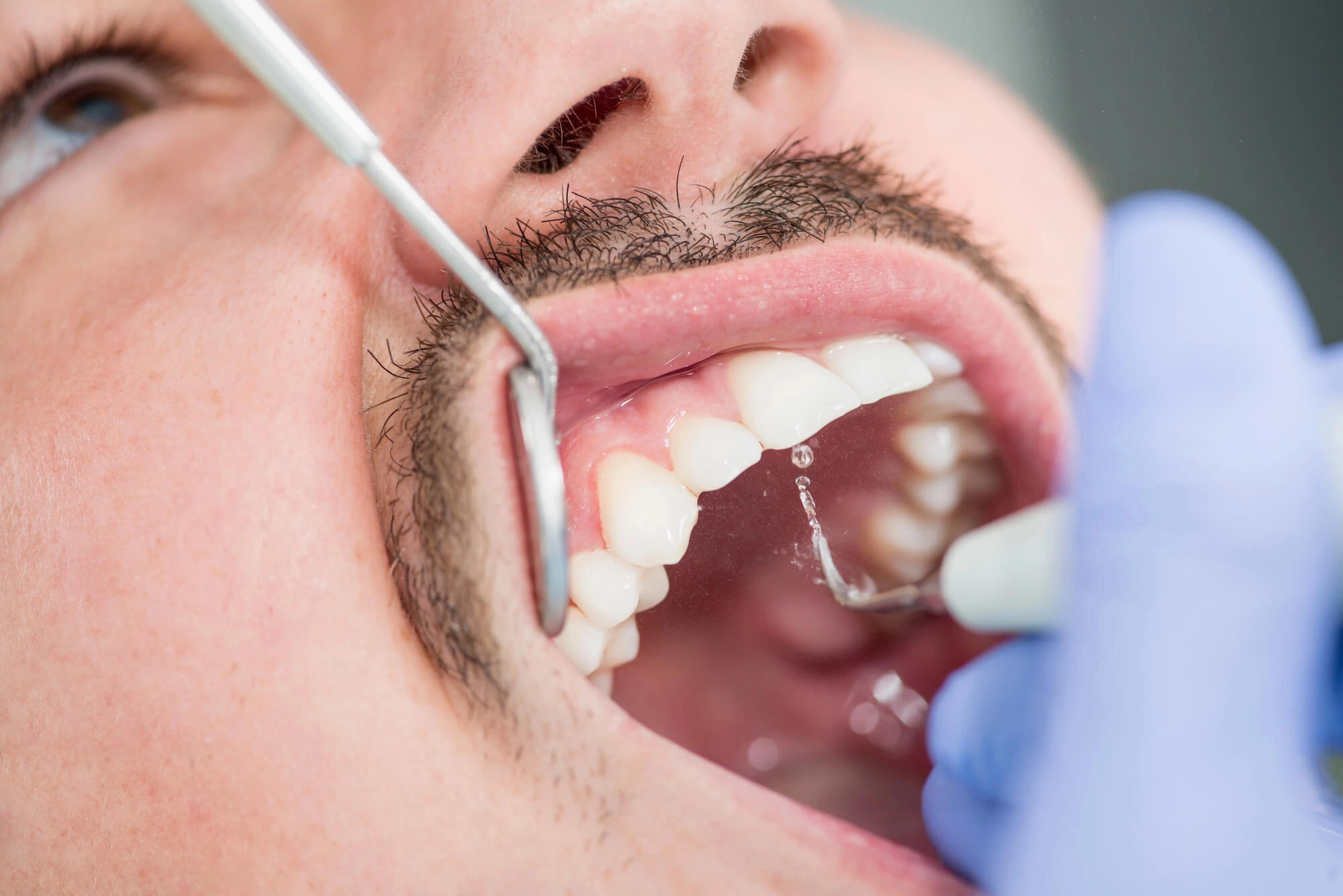
Why a Deep Teeth Cleaning May Be Recommended
The Connection Between Gum Disease and Deep Cleaning
Gum disease begins when plaque and tartar accumulate along and below the gumline, triggering inflammation and infection in the surrounding tissue. Without treatment, the infection can damage the bone and connective tissue that hold teeth in place.
Periodontal disease affects nearly half of adults over the age of 30 in the United States, making early intervention critical for long-term oral health.
Signs That Deep Cleaning May Be Needed
A dentist may recommend a deep cleaning when gum pockets measure deeper than three millimeters, indicating that bacteria have traveled below the gumline.
Other indicators include bleeding gums, persistent bad breath, gum recession, or early signs of bone loss visible on X-rays. A thorough dental exam and X-rays are typically the first step in identifying whether this level of treatment is necessary.
How the Deep Teeth Cleaning Procedure Works
Step 1: Examination and Pocket Depth Measurement
Before treatment begins, a dental hygienist uses a small probe to measure the depth of the spaces between the teeth and gums. These measurements help determine the severity of gum disease and guide the cleaning process. Scaling and root planing is the clinical term for the two-part deep cleaning technique that follows this assessment.
Step 2: Scaling
During scaling, the hygienist carefully removes plaque and hardened tartar deposits from the tooth surface and from within the gum pockets using specialized instruments.
This step targets the buildup that brushing and flossing cannot remove on their own. The American Dental Association notes that scaling is a core component of non-surgical periodontal therapy for patients with active gum disease.
Step 3: Root Planing
Root planing follows scaling and involves smoothing the surfaces of the tooth roots to eliminate rough areas where bacteria tend to accumulate. This step also helps the gum tissue reattach more effectively to the tooth, reducing pocket depth over time.
Research supports that this combined approach significantly reduces inflammation associated with periodontitis when performed as part of a consistent treatment plan.
Step 4: Recovery and Follow-Up
After the procedure, some sensitivity and mild gum soreness are normal and typically resolve within a few days. A follow-up visit is usually scheduled four to six weeks later to assess healing and re-measure pocket depths.
Consistent home care and regular professional cleanings are essential for maintaining the results and preventing the condition from returning.
What to Expect After the Procedure
Common Post-Treatment Symptoms
- Mild tooth sensitivity to hot and cold for a few days after treatment.
- Minor gum tenderness or swelling that resolves within one to two weeks.
- Slight bleeding during brushing in the days immediately following the procedure.
- Gradual reduction in gum redness and inflammation as healing progresses.
Preventing Gum Disease From Returning
Maintaining gum health after a deep cleaning requires brushing twice daily, flossing regularly, and attending all recommended follow-up appointments. Studies show that consistent oral hygiene habits significantly reduce the risk of gum disease recurring after professional treatment.

Schedule the deep teeth cleaning procedure at Montgomery Smiles
Montgomery Smiles provides comprehensive periodontal care to help patients restore and maintain healthy gums at every stage of treatment. The experienced team is committed to making every visit as comfortable and informative as possible.
Contact Montgomery Smiles today to schedule an evaluation and find out whether a deep cleaning is the right next step for a healthier smile.