.avif)

If you’ve ever searched for a dental filling near you, you may have wondered about those old silver fillings in your back teeth. Many people have them. They were once the standard treatment for cavities.
Over time, preferences and materials have changed. Today, tooth-colored fillings offer a more natural look and modern performance.
The good news is, yes—old silver fillings can often be replaced with tooth-colored ones. The decision depends on several factors, including the condition of the existing filling and your overall oral health.

Replacing Silver Fillings with Tooth-Colored Alternatives
Why Replace Silver Fillings?
Silver fillings, also known as amalgam fillings, are durable and long-lasting. Many have functioned well for decades. Some patients choose replacement for cosmetic reasons. The dark metal can stand out when laughing or speaking.
Others consider replacement because of wear. Over time, fillings may crack, leak, or loosen. As they age, small gaps can form between the filling and the tooth. That can allow bacteria to enter and create decay underneath.
If a filling shows signs of breakdown, replacement may protect the tooth from further damage.
Are Tooth-Colored Fillings Strong Enough?
Modern composite fillings are designed to be both durable and natural-looking. They bond directly to the tooth structure, which helps reinforce the remaining enamel.
Tooth-colored materials blend with your natural shade. They don’t expand and contract as much as metal with temperature changes. That can reduce stress on the surrounding tooth.
Composite fillings work well for many small to moderate restorations. Larger restorations may require alternative options like crowns, depending on the situation.
Is It Necessary to Replace All Silver Fillings?
Not always. If a silver filling is intact, stable, and not causing problems, immediate replacement may not be required.
During a dental exam, the filling is evaluated for cracks, wear, leakage, and surrounding decay. X-rays help detect hidden issues. If the restoration is functioning well, it may be left in place.
Replacement is often recommended when there is visible damage, recurrent decay, or patient preference for cosmetic improvement.
What Is the Replacement Process Like?
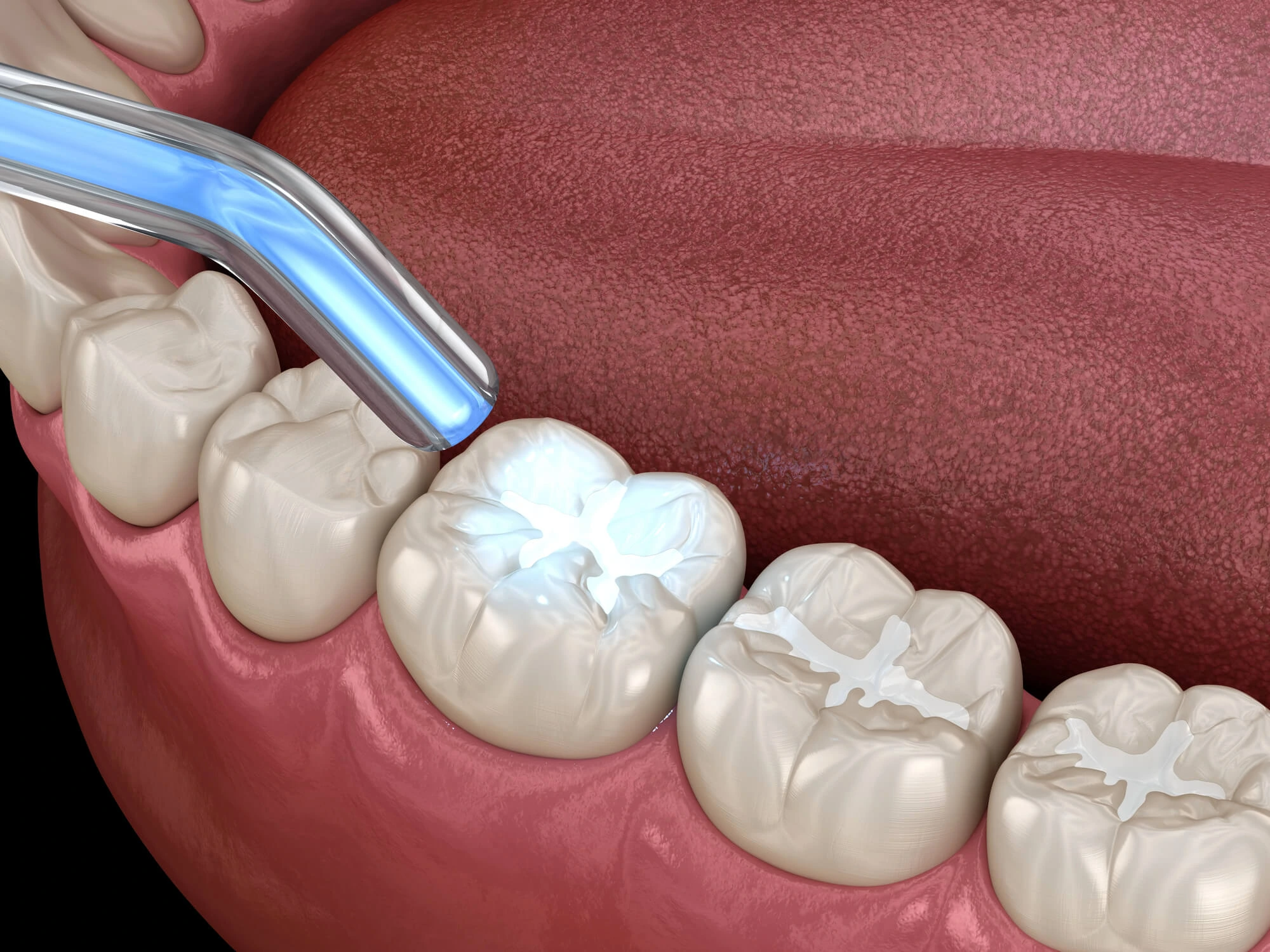
The process is straightforward. The existing filling is carefully removed. The tooth is cleaned and prepared. Any decay is addressed. Then, the composite material is placed in layers and hardened with a curing light.
The tooth is shaped and polished to match your natural bite. Most replacements can be completed in one visit. Patients often notice an immediate aesthetic improvement.
Do Tooth-Colored Fillings Look Natural?
Yes. Composite fillings are color-matched to your surrounding teeth. The goal is seamless blending. Many patients appreciate that no one can tell they’ve had dental work done. A natural appearance builds confidence. Smiling feels easier when restorations are discreet.
Are There Health Benefits to Replacement?
Some patients ask about safety concerns related to silver fillings. Current research supports the safety of amalgam fillings for most individuals. Replacement for health reasons is usually considered on a case-by-case basis.
The primary reasons for replacement are structural integrity and cosmetic preference. Protecting the tooth from future damage remains the priority.
Considering a Dental Filling Near You?
Old silver fillings can often be replaced with tooth-colored alternatives, depending on their condition and your goals.
At Montgomery Smiles, we carefully evaluate your restorations and recommend options that protect your tooth while enhancing your smile.
If you’re searching for a dental filling near me, contact Montgomery Smiles today to schedule your appointment. We’re here to help you maintain a healthy, confident smile.